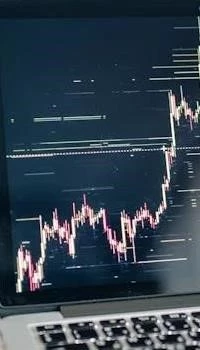
The landscape of financial markets has undergone a seismic shift with the advent of algorithmic trading. For enthusiasts of bitcoin and ethereum, the ability to leverage crypto trading bots on a personal computer has opened new doors for passive income and sophisticated portfolio management. Choosing the right trading platform involves understanding how a desktop application interacts with a crypto exchange through secure api integration. Whether you are utilizing windows software or a macos system, the power of automation allows for 24/7 trade execution, removing the emotional bias that often leads to poor decision-making during periods of high market volatility.
Core Mechanics of Modern Trading Bots
At the heart of any automated strategies lies the processing of real-time data. These bots analyze candlestick charts and the order book to identify liquidity and potential price movements. To be successful, a trader must master technical analysis. By utilizing technical indicators such as macd, rsi, bollinger bands, and various moving averages, a bot can generate precise trading signals. For those with coding knowledge, python trading offers an open source pathway to develop a custom bot configuration. This flexibility allows for the implementation of complex models like trend following or mean reversion, ensuring the bot reacts correctly to shifting market conditions.
Diverse Strategies: From Grid to Arbitrage
Different market conditions require different approaches. Grid trading is exceptionally effective in sideways markets, placing buy and sell orders at regular intervals. Conversely, an arbitrage bot exploits price discrepancies across different exchanges, capturing small profits with minimal risk. For those looking at institutional-level speed, high-frequency trading (HFT) and market maker strategies provide the necessary tools to provide liquidity while profiting from the bid-ask spread. In the realm of decentralized finance, smart contracts are increasingly used to automate these processes, further integrating algorithmic trading into the blockchain ecosystem.
Essential Risk Management and Security
No trading system is complete without robust risk management. Every bot configuration should include a strict stop-loss to prevent catastrophic losses and a take-profit level to secure gains. When dealing with margin trading and high leverage, the stakes are elevated, making these features indispensable. Furthermore, slippage—the difference between the expected price and the actual execution price—must be monitored closely. Security is another pillar of success. High-quality software employs security encryption to protect private keys. Users are often encouraged to run their software on a virtual private server (VPS) rather than a local machine to ensure 100% uptime and reduce latency, a practice known as cloud trading.
Backtesting and Performance Metrics
Before deploying capital into live markets, backtesting is mandatory. This process involves running your strategy against trading history to see how it would have performed in the past. Paper trading allows you to test your automated strategies in a simulated environment using real-time data without financial risk. By analyzing performance metrics, such as the Sharpe ratio or maximum drawdown, traders can refine their approach. A well-configured bot on a PC provides a detailed trading history, allowing for continuous optimization of the technical indicators and entry/exit logic used in the algorithm.
Choosing the Right Software Environment
When selecting a desktop application, compatibility and performance are key. Windows software remains the most common for high-performance algorithmic trading, though macos support is growing. The advantage of a local desktop application over a web-based interface is often the speed of trade execution and the depth of technical analysis tools available. Many professional traders prefer open source projects because they allow for complete transparency of the underlying code, ensuring there are no hidden vulnerabilities or backdoors that could compromise private keys or funds.
The Evolution of DeFi and Automated Systems
As decentralized finance (DeFi) continues to mature, the line between centralized exchanges and on-chain trading blurs. Modern crypto trading bots are now capable of interacting directly with liquidity pools. This evolution requires a deeper understanding of how smart contracts function. Despite the complexity, the goal remains the same: achieving consistent returns through disciplined portfolio management and the systematic application of technical indicators. By combining python trading skills with powerful hardware, individual traders can now compete with institutional players in the global bitcoin and ethereum markets.
Final Thoughts on PC-Based Automation
The journey into algorithmic trading requires patience and a commitment to continuous learning. From the initial api integration to the final bot configuration, every step must be handled with care. By respecting the dangers of market volatility and prioritizing security encryption, you can build a sustainable system for passive income. Whether you are focused on grid trading, arbitrage bot opportunities, or long-term trend following, the tools available for the modern PC are more powerful than ever. Remember that backtesting and risk management are your best allies in the quest for success. The combination of real-time data, technical analysis, and automated strategies represents the pinnacle of modern crypto trading. As technology advances, those who master these windows software and macos tools will be best positioned to navigate the future of bitcoin and ethereum. Success in this field is not just about the profit; it is about the precision of trade execution and the resilience of your portfolio management. The era of manual trading is fading, making way for the efficiency of crypto trading bots. Embrace the complexity of macd, rsi, and bollinger bands to define your edge. In a world of 24/7 markets, let your PC do the heavy lifting, ensuring you never miss a beat in the world of algorithmic trading and decentralized finance. The potential for growth is vast for those who understand the order book and liquidity dynamics of the crypto exchange landscape today.




I found the explanation of grid trading and arbitrage bots incredibly helpful. The article does a great job of highlighting how automation can remove emotional bias from the trading process, which is essential for managing a crypto portfolio effectively.
This article provides a fantastic overview of how algorithmic trading functions. I particularly appreciated the section on Python trading and technical indicators like MACD and RSI; it makes the complex world of automated strategies feel much more accessible for a desktop user.